
The partnership between Iowa State University Uganda Program (ISU-UP) and Developing Lives, Livelihood and Nutrition Uganda (DLLN-Uganda) represents a sophisticated model of sustainable international development. This collaboration, primarily facilitated through the Center for Sustainable Rural Livelihoods , emphasizes a "people-first" approach to alleviating poverty and malnutrition in the Kamuli District of the Busoga Sub-region.By integrating technical expertise from one of the United States' premier land-grant institutions with local Ugandan leadership, the program has transitioned from traditional aid toward a model of self-reliance and economic empowerment.
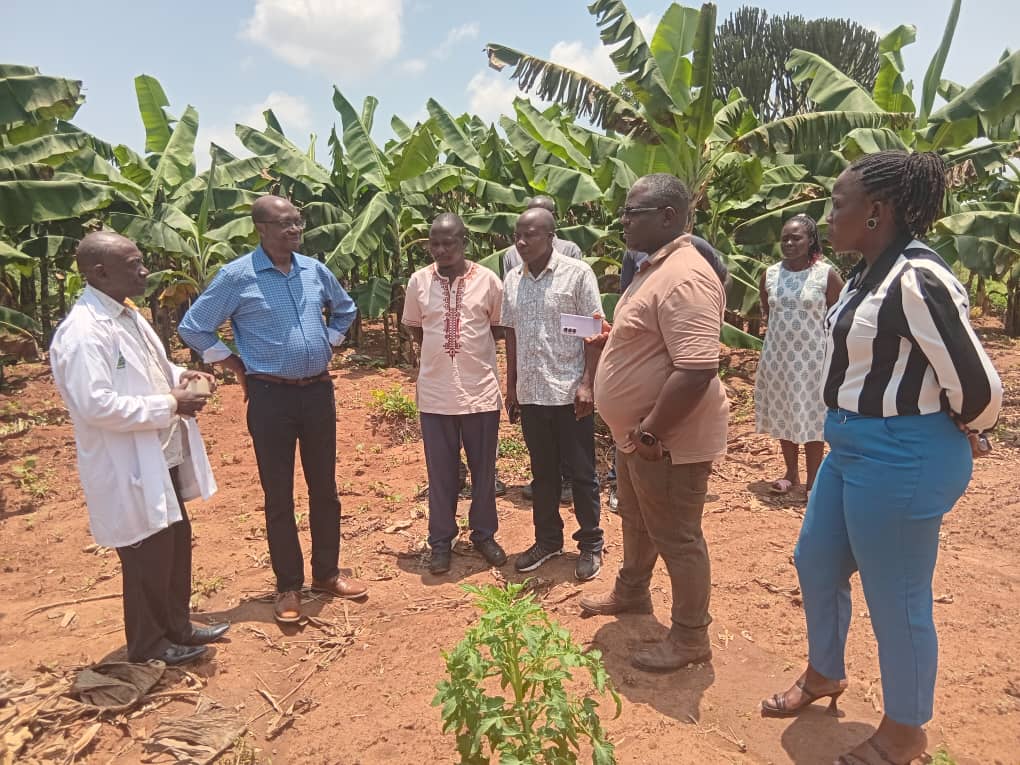
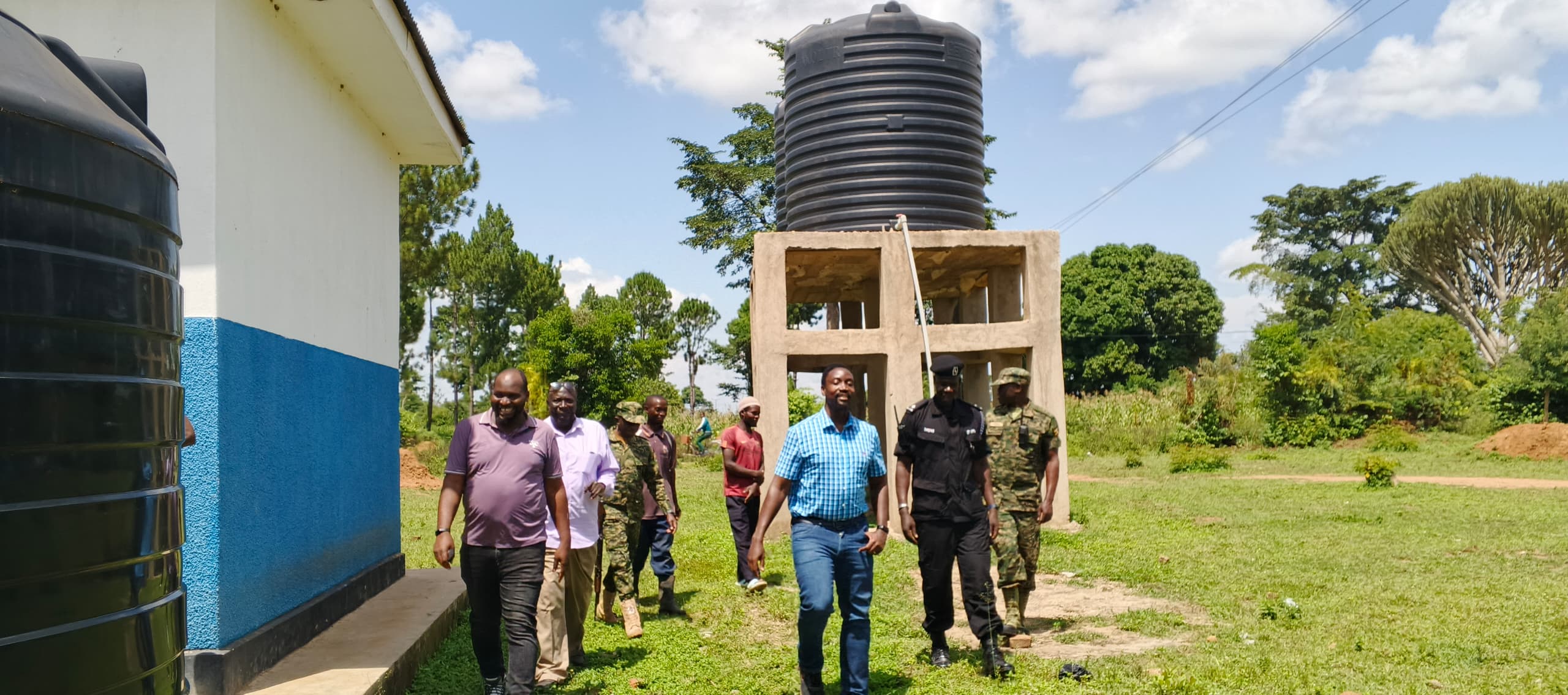
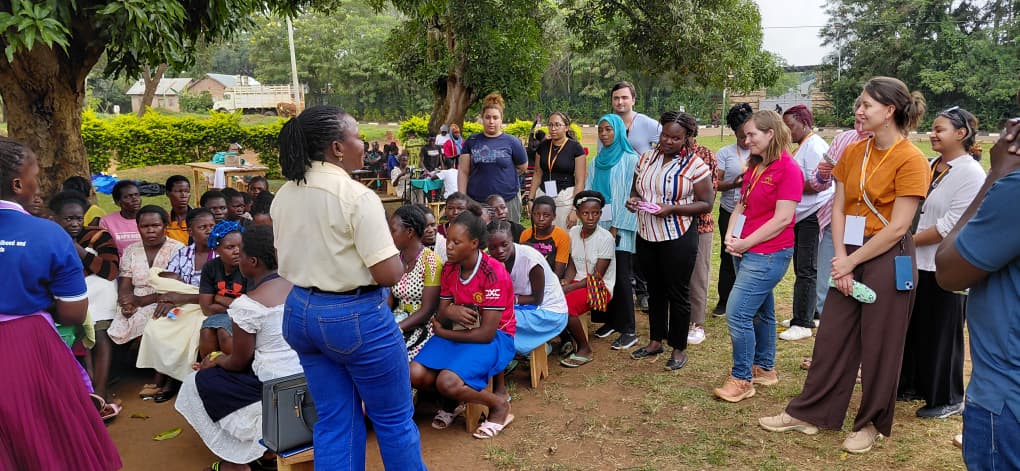
In a significant demonstration of this partnership, a delegation from the Iowa State University Next Generation Institute recently conducted a high-level visit to the DLLN Uganda Skilling Centre located in Kiroba. The delegation was led by the Programs Director of DLLN, Tumwesige Abraham, and served as a practical extension of the institute’s curriculum, which focuses on "Designing and Managing Sustainable Rural Livelihood Programs.
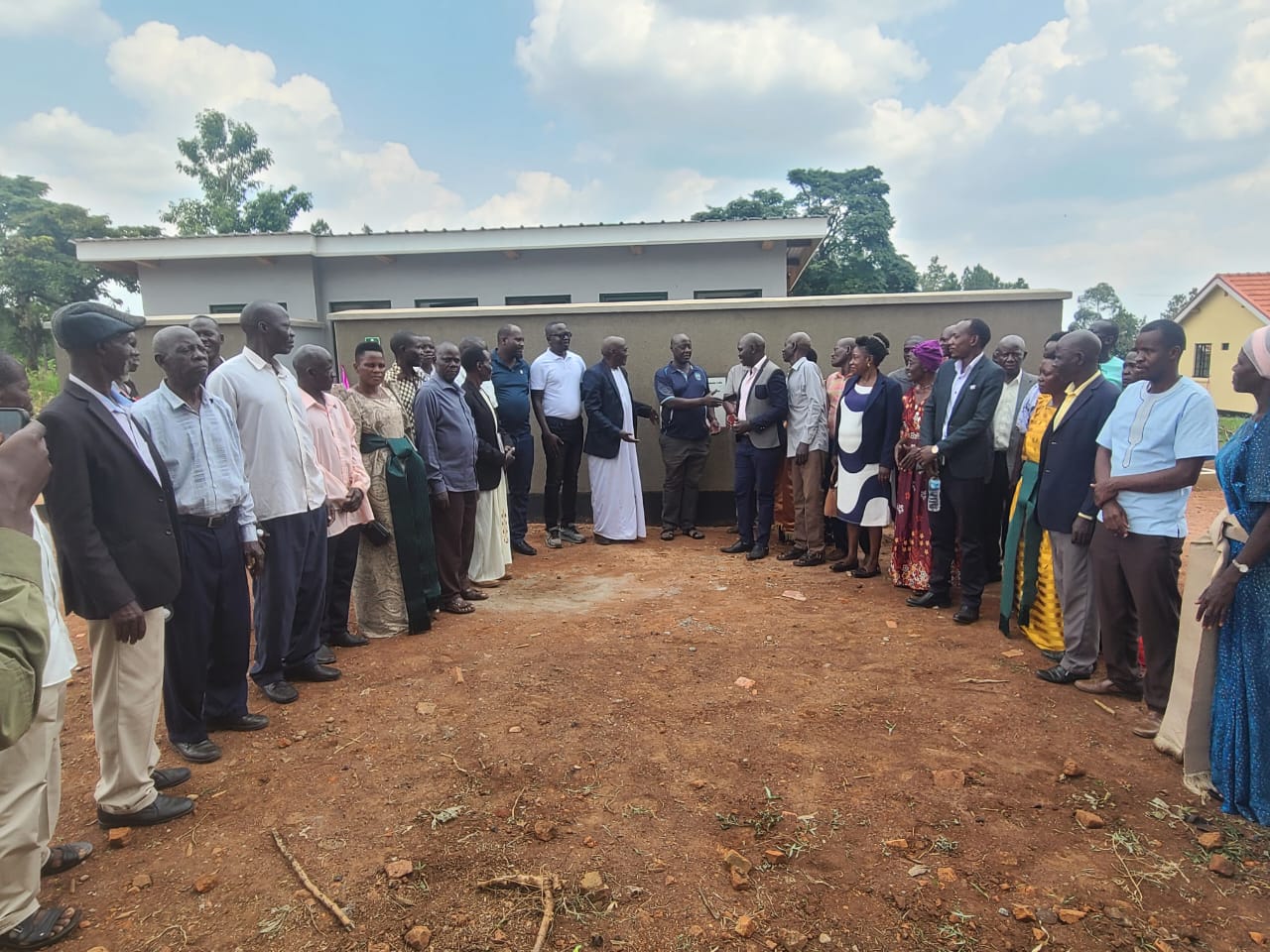
Upon arrival at the Kiroba facility, the ISU delegation was formally received by the leadership team of DLLN Uganda. The welcoming party included the DLLN Administrator, Walya Peter; the Head of Skilling Centres, Mwiru Kaloli; and the Coordinator of Skilling Centres, Margret Kisakye.
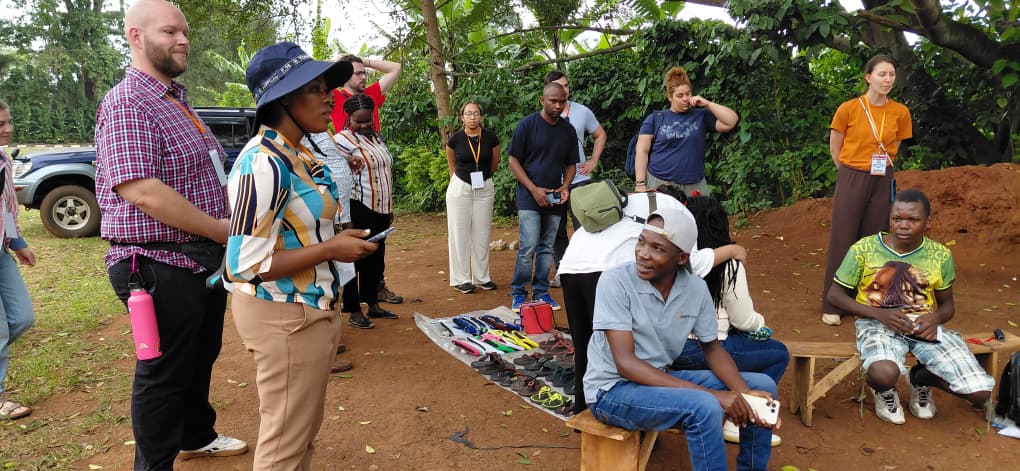
The delegation’s primary objective was to evaluate the progress of vocational training initiatives designed to provide youth and young mothers with pathways to economic independence.The visit provided an opportunity for international scholars and development professionals to witness firsthand how vocational training can be integrated into broader rural development strategies to empower marginalized groups, particularly youth and young mothers.
A focal point of the visit was the inspection of the new sanitary pad manufacturing project under the Menstrual Hygiene Programme This initiative addresses a critical barrier to education and employment for women in rural Uganda, where the lack of affordable menstrual products often leads to significant absenteeism in schools and workplaces.
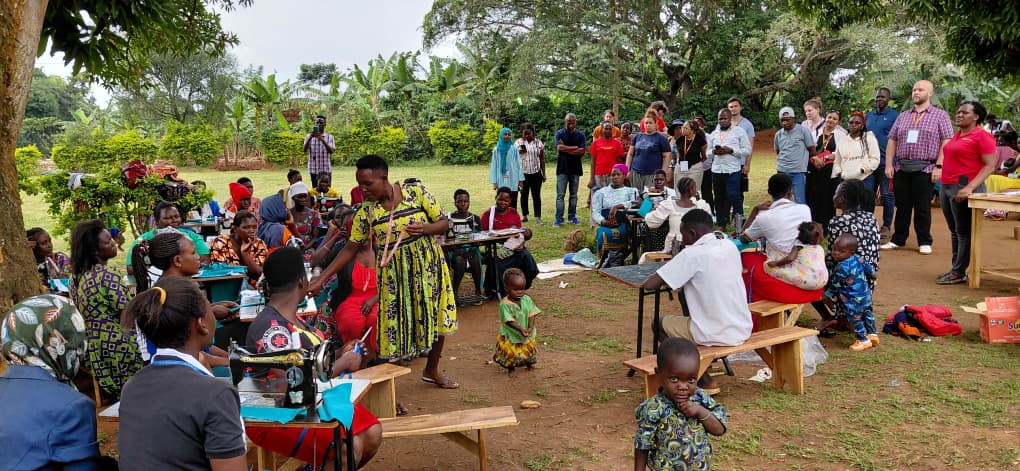
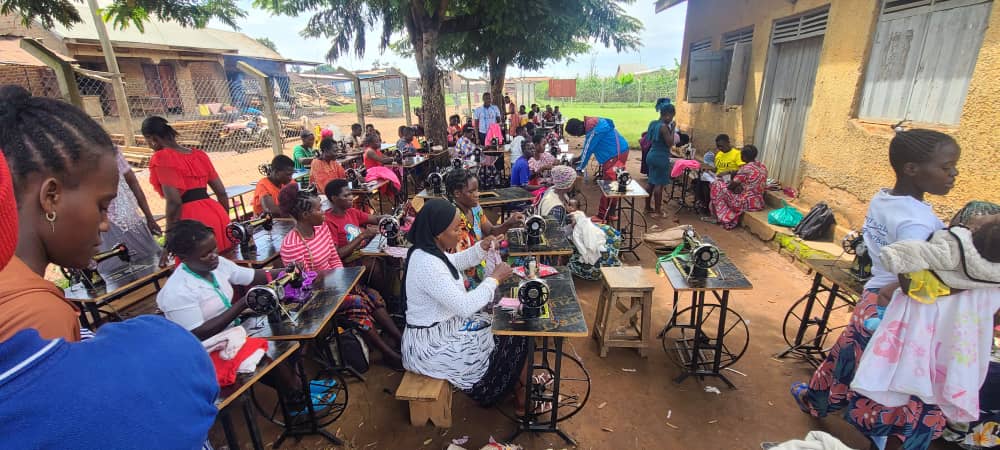
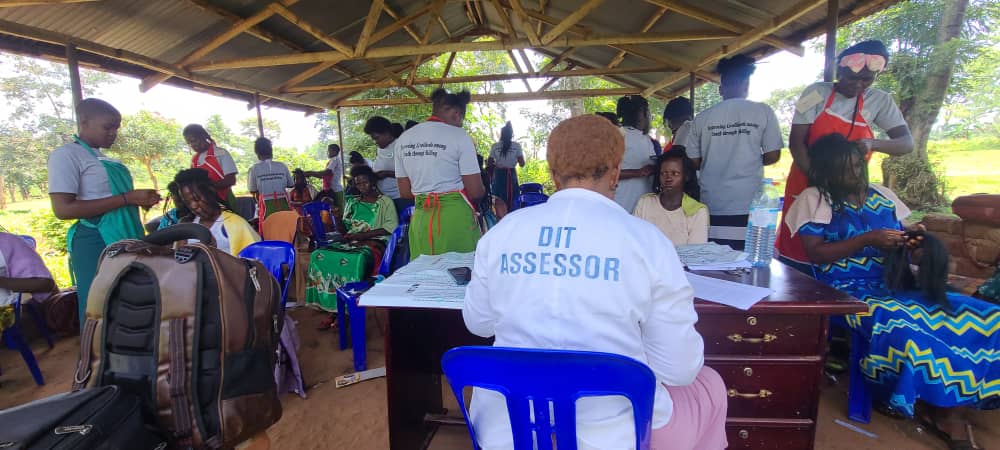
The tour of the Kiroba Skilling Centre was comprehensive, covering three primary departments that form the core of DLLN’s vocational intervention:
Tailoring: This department focuses on garment construction and repair, providing students with a tangible skill set that can be converted into immediate micro-enterprise opportunities.
Hairdressing: Recognizing the demand for service-based industries in local trading centers, this department trains individuals in modern styling and salon management.
Craft Artisan: This section emphasizes the use of local materials to create marketable goods, fostering creativity and cultural preservation alongside economic gain.