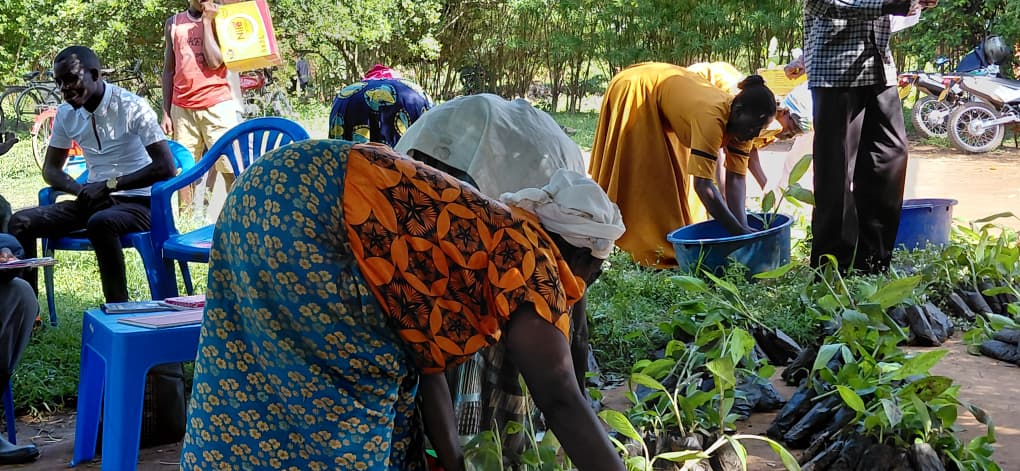
April 14, 2026; The community of Malima Parish in the Nkondo Sub-County of Buyende District,eastern Uganda, marks a significant milestone in its journey toward sustainable development. Through the dedicated efforts of Developing Lives, Livelihood and Nutrition (DLLN) Uganda, 123 local farmers have received a distribution of improved banana tissue culture seedlings. Each farmer was provided with 30 high-quality plantlets, supplementing the agricultural inputs they received during the previous year. This initiative is part of a broader strategy to enhance food security and economic stability in the Busoga sub-region, where banana cultivation serves as both a staple food source and a vital cash crop.
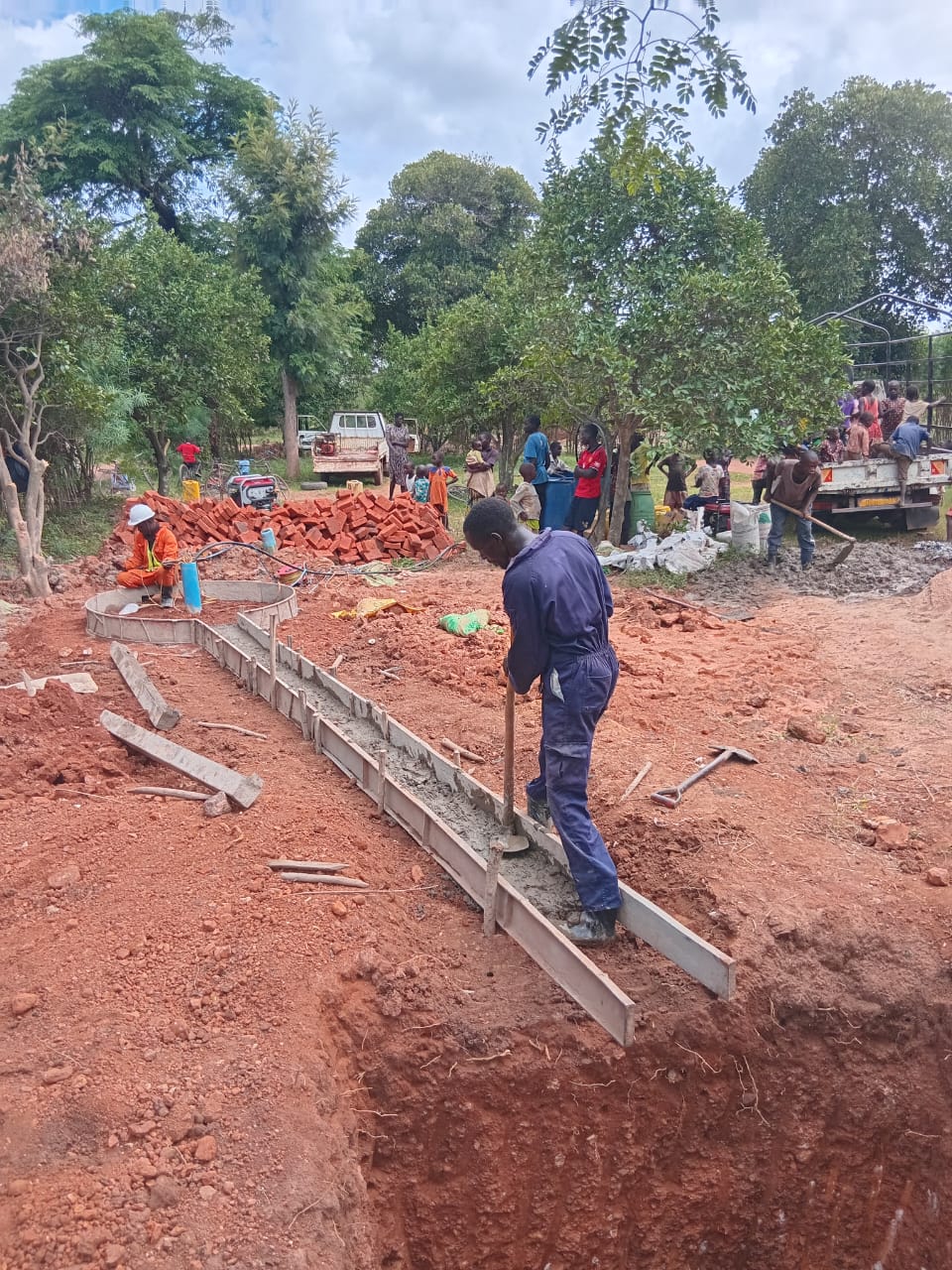
The impact of these interventions extends beyond simple crop distribution. During the handover ceremony, Ndiwebwa Simon, the Chairman of Malima (A), expressed profound gratitude for the holistic support provided by DLLN, which includes not only agricultural inputs but also the provision of clean water through the construction of free-of-charge boreholes.
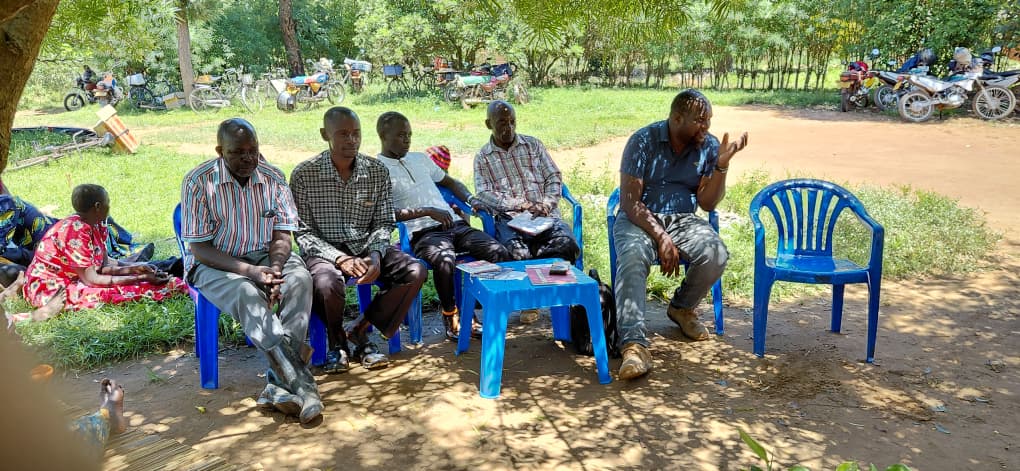
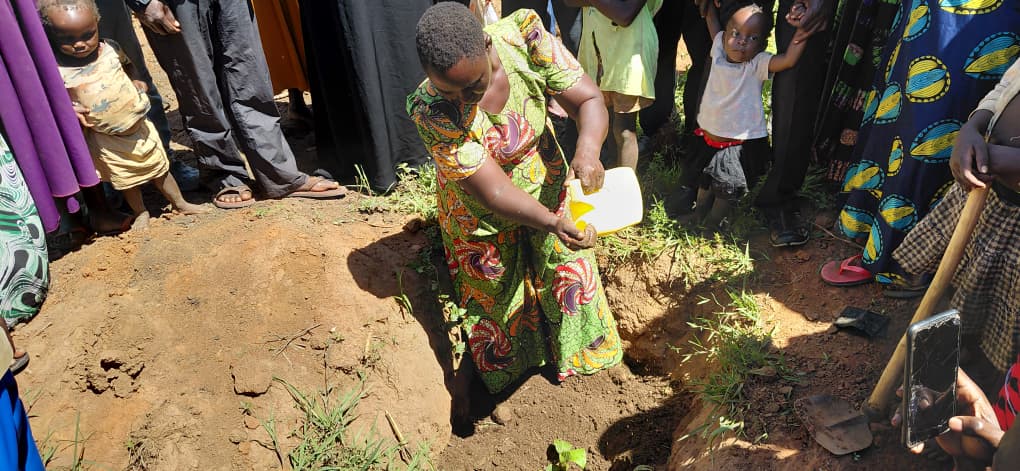
Muwere Anthony, the parish chairperson, highlighted the diversification of livelihoods, noting that the introduction of milk-producing goats and vegetable seedlings has provided farmers with multiple streams of income and improved nutritional outcomes for their families. The transformation in Malima Parish is rooted in the integration of modern agronomic practices with financial empowerment. The DLLN village saving groups have played a critical role in this shift, offering farmers a platform to practice financial literacy and collective investment.
Waiswa Ronald, chairperson of the Malima Nezikokolima-DLLN SACCO, emphasized that the culture of saving has allowed community members to transition from subsistence farming to more resilient, market-oriented agricultural enterprises. This model aligns with established development theories that suggest that when smallholder farmers are equipped with both technical knowledge and access to micro-finance, they are better positioned to mitigate the risks associated with climate variability and market fluctuations.
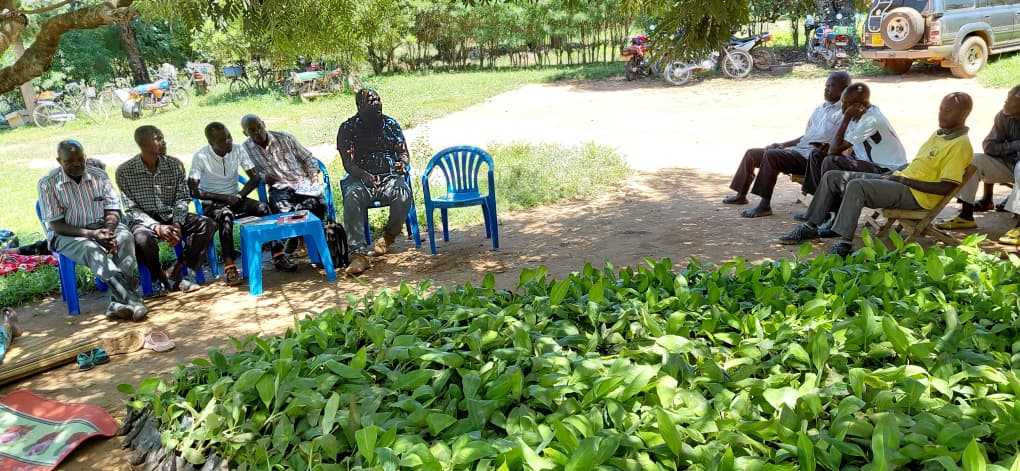
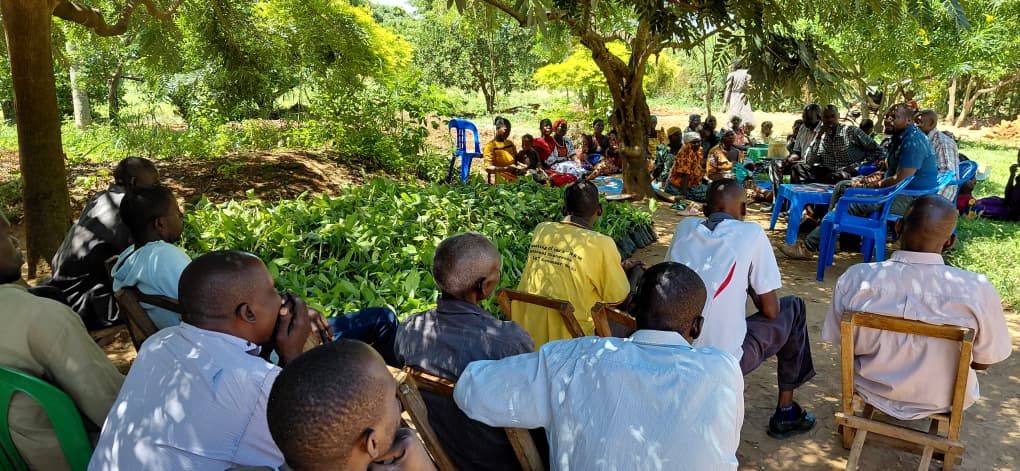
The Executive Director of DLLN Uganda, Kitimbo Daniel Joshua, emphasized the necessity of collective action during the distribution event. He articulated that the path to rapid development and the achievement of ambitious community goals lies in unity and cooperative labor.The program’s holistic approach, providing banana tissues and cassava cuttings for food security, vegetable seedlings for nutritional diversity, and goats for milk production is designed to combat malnutrition while simultaneously creating surplus produce for commercial sale. This dual strategy of nutritional improvement and income generation is a cornerstone of modern rural development theory, which posits that agricultural productivity is the primary engine for poverty reduction in agrarian economies.
The success of such interventions relies heavily on the technical guidance provided by agricultural extension services. The Director specifically commended DLLN Uganda’s extension officers, Musigire Matayo and Mwanje Peter, for their tireless dedication in training farmers on the ground. Effective extension work is widely recognized in agricultural literature as the bridge between scientific innovation and field-level application. By ensuring that farmers understand the nuances of tissue culture management and animal husbandry, these officers are helping to maximize the return on the biological assets provided to the community.
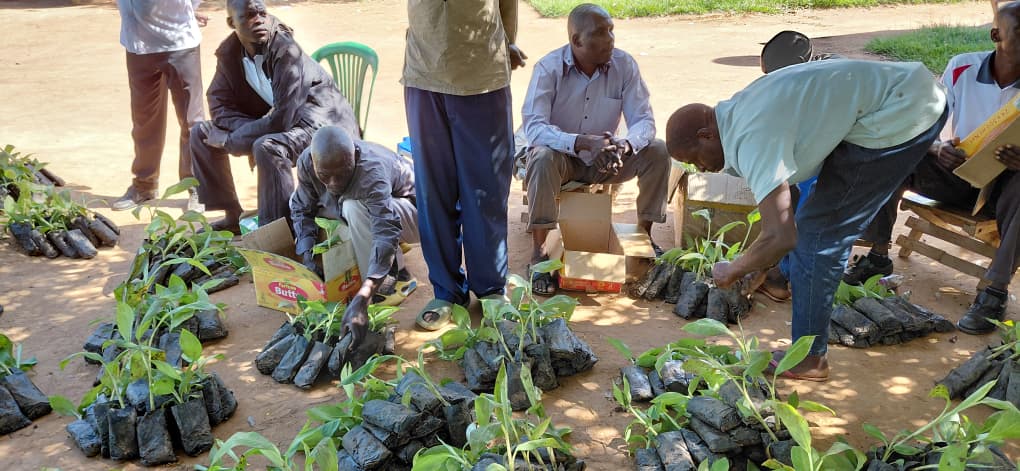
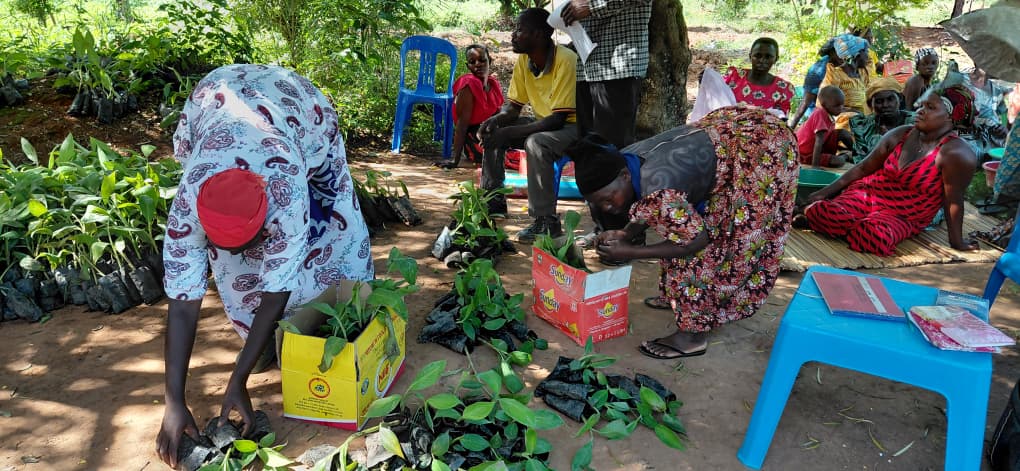
As the farmers of Malima Parish integrate these new resources into their land, they are participating in a broader regional effort to stabilize food systems in Uganda. The integration of improved planting materials, such as disease-resistant banana tissues, is essential for mitigating the risks posed by pests and climate variability.
Ultimately, the initiative in Buyende District serves as a practical model for how DLLN-Uganda has partnered with local communities to foster self-reliance, improve household nutrition, and stimulate local economic growth through structured agricultural support. The success of the Malima Parish initiative serves as a testament to the effectiveness of community-led development programs that prioritize long-term capacity building over short-term aid.