
The intersection of Menstrual Hygiene Management (MHM), educational retention, and public health remains a critical focal point for development in Busoga Sub region. In rural Uganda, the lack of access to affordable sanitary products has historically functioned as a significant barrier to gender equality in education. Research indicates that girls in low-income settings may miss up to 20% of the school year due to menstruation-related challenges, including the lack of private facilities and the high cost of disposable pads. To address these systemic inequities, DLLN-Uganda increasingly turned toward the distribution of reusable sanitary pads as a sustainable, cost-effective, and environmentally friendly intervention.
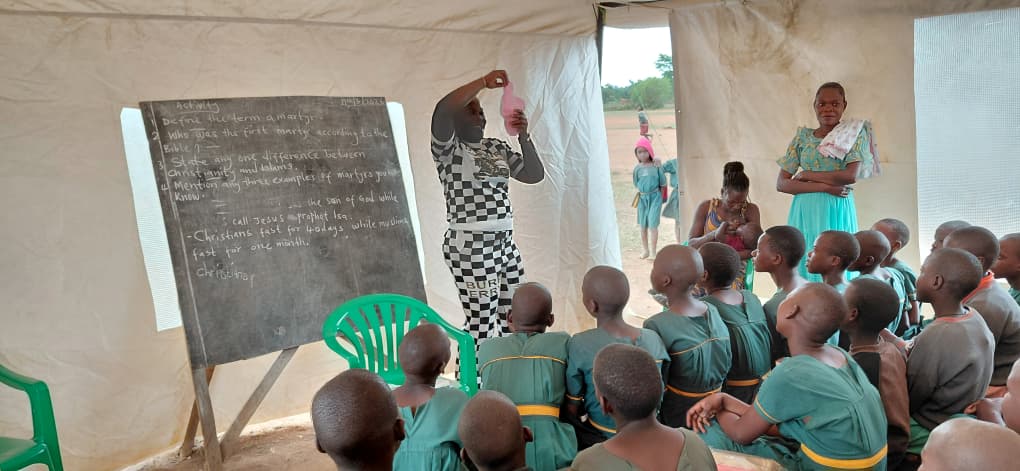
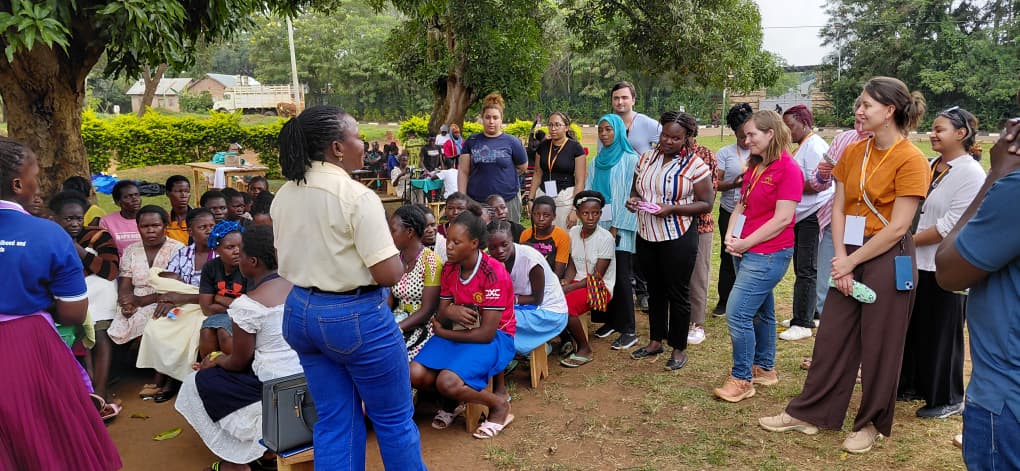
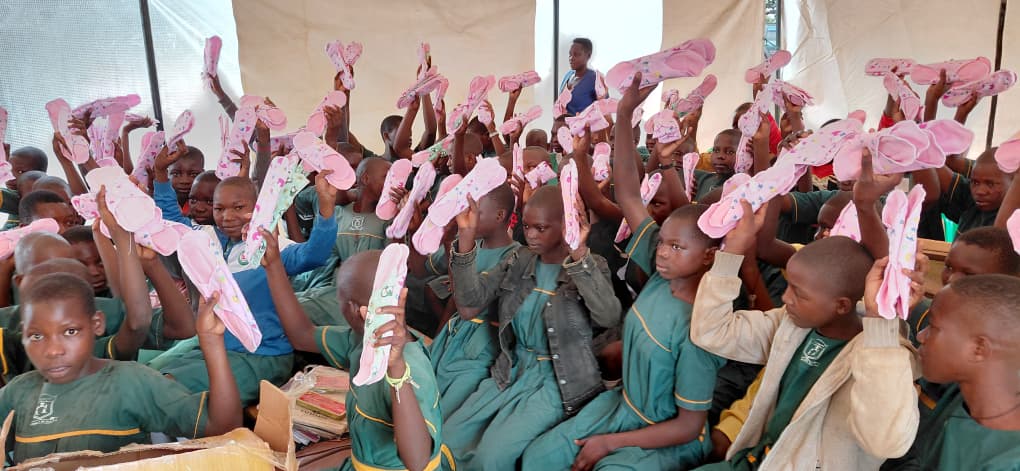
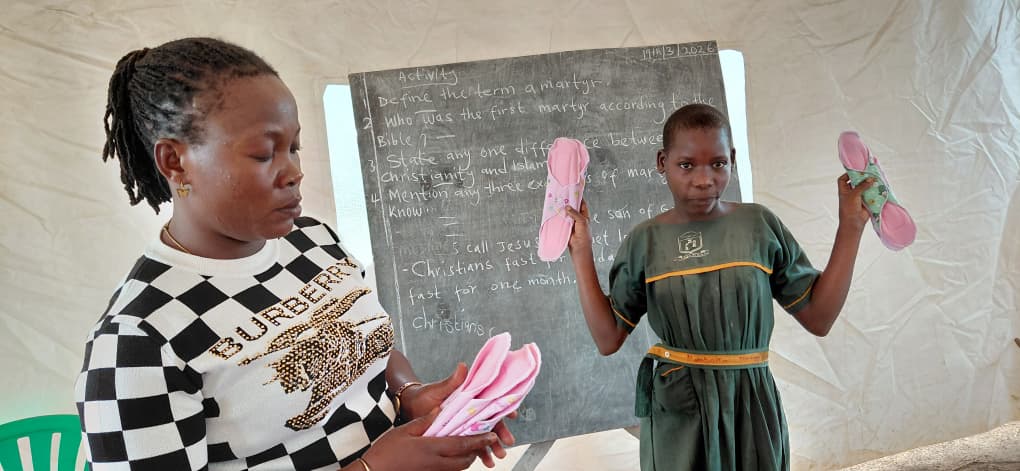
On Thursday, March 19, 2025, Developing Lives, Livelihood and Nutrition (DLLN) executed a targeted intervention at Kitaidhumba Community Primary School to mitigate these challenges. During this event, DLLN distributed reusable sanitary pads to 236 pupils, with each student receiving a kit of four pads. This initiative was led by Margret Kisakye, the Menstrual Hygiene Project Coordinator, alongside the Executive Director and the Administrator of DLLN. The distribution was conducted in the presence of the school’s headteacher, the senior woman teacher, and other female members, ensuring a supportive and educational environment for the recipients.
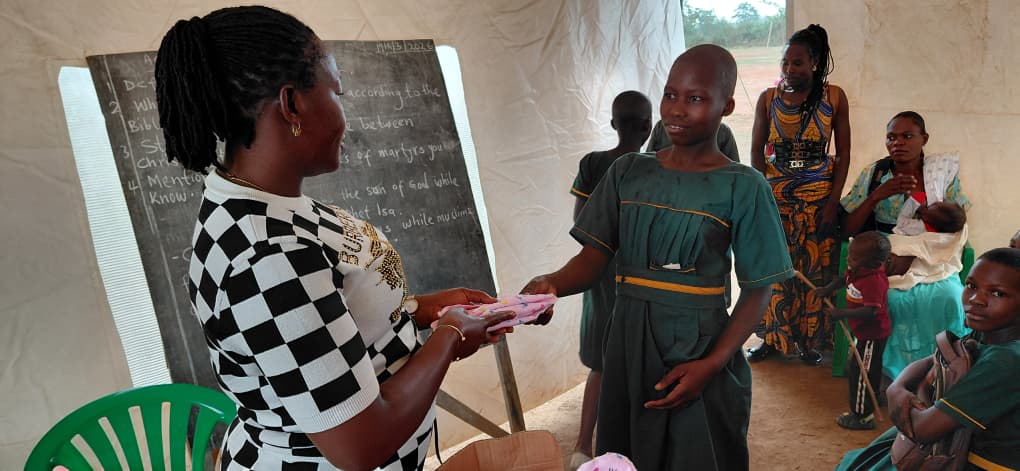
By providing reusable pads, organizations like DLLN address the economic burden that often forces families to prioritize food or school fees over menstrual products. At Kitaidhumba Community Primary School, the provision of four pads per pupil ensures that each girl has a sufficient supply to maintain hygiene throughout her cycle, reducing the likelihood of absenteeism
During the distribution, Margret Kisakye emphasized the vital importance of hygiene to prevent medical complications. Improper menstrual management is a leading cause of reproductive tract infections (RTIs) and urinary tract infections (UTIs) among adolescent girls in sub-Saharan Africa. The biological vulnerability of the female urinary tract requires strict adherence to cleanliness, especially when using reusable products that must be thoroughly washed and dried in sunlight to ensure sterilization.
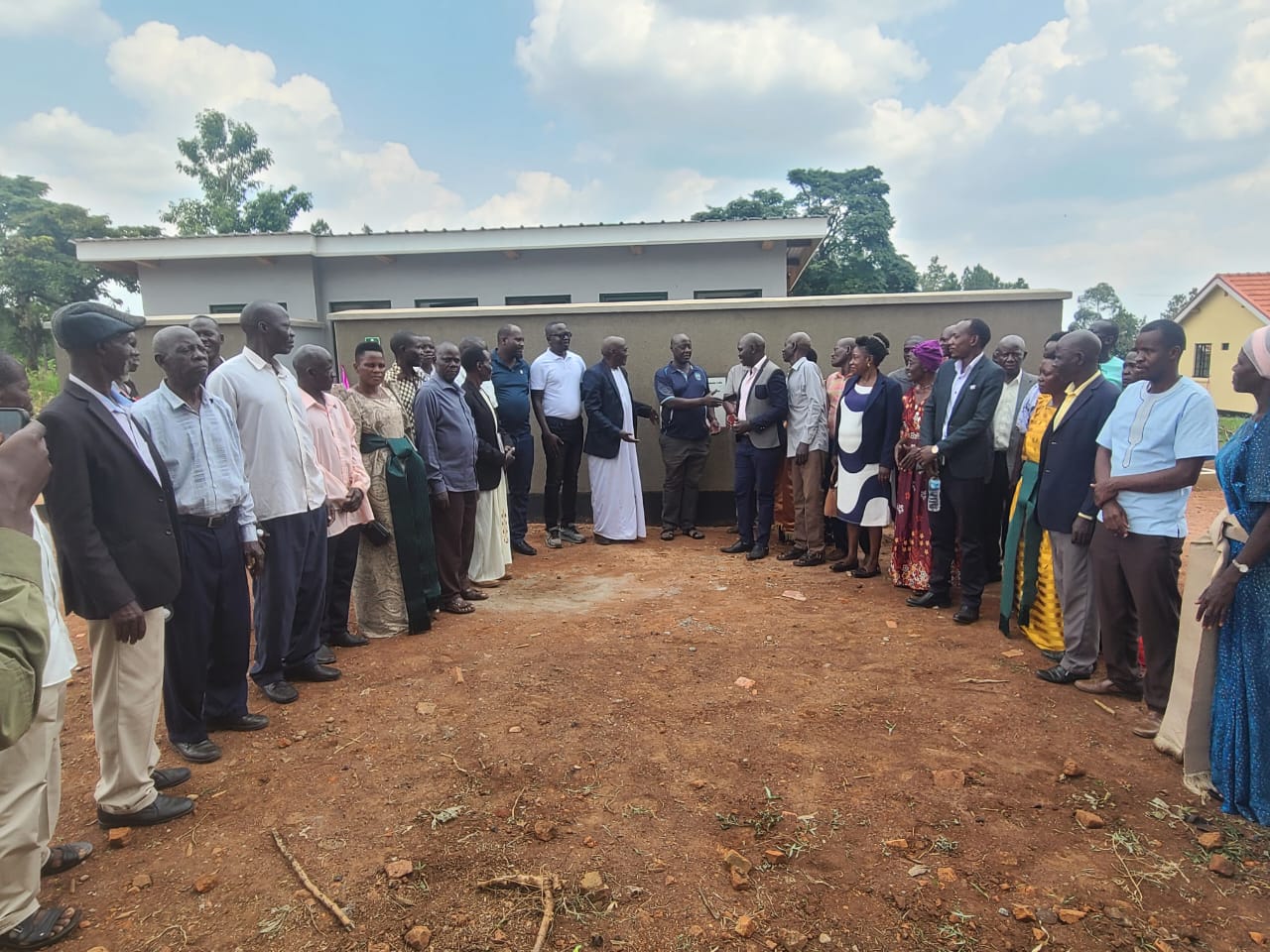
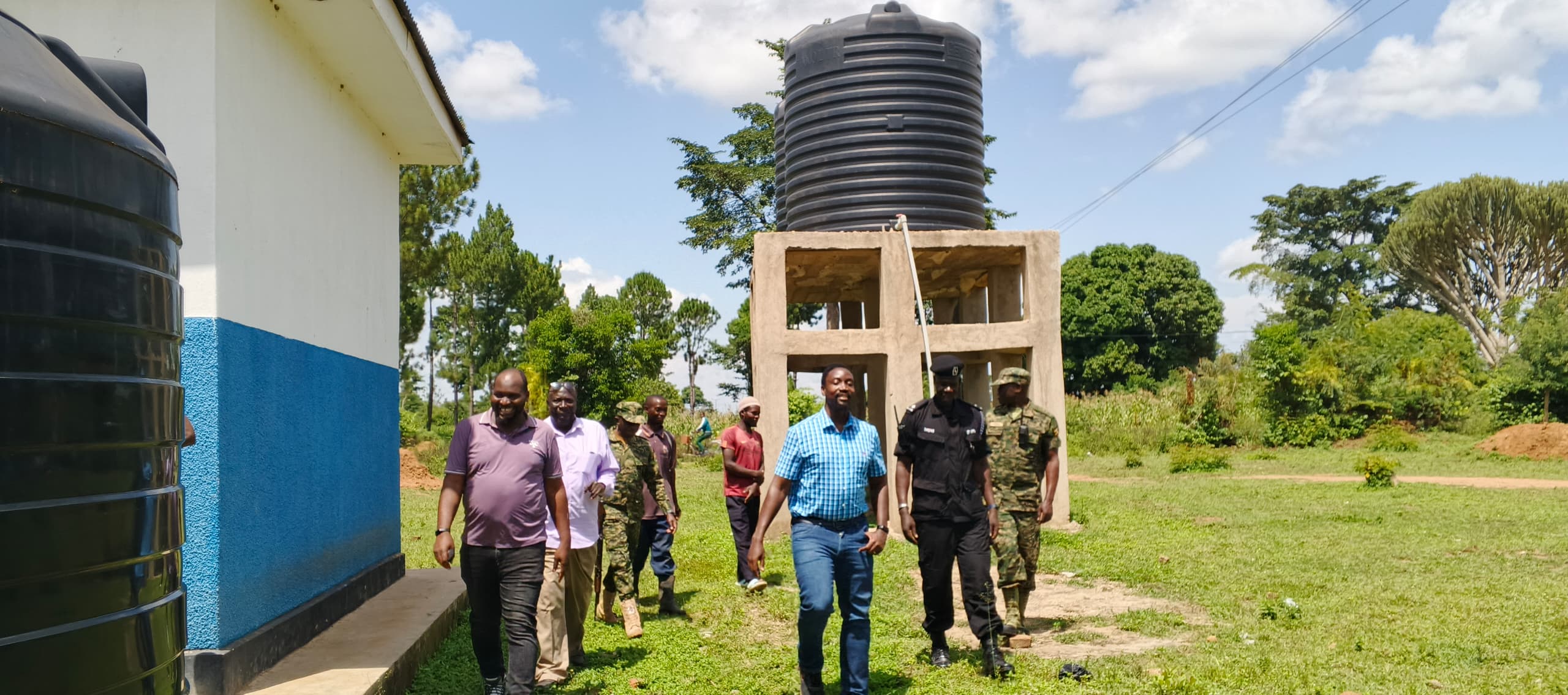
The effectiveness of MHM interventions is heavily dependent on the surrounding infrastructure. DLLN’s support for Kitaidhumba Community Primary School extends beyond sanitary products to include holistic WASH (Water, Sanitation, and Hygiene) facilities. The school recently received:
Two state-of-the-art drainable pit latrines, which provide the privacy and waste management necessary for dignified menstruation.
A borehole to ensure a consistent supply of clean water for drinking and hygiene.
Two tents currently utilized as classrooms to improve the learning environment.
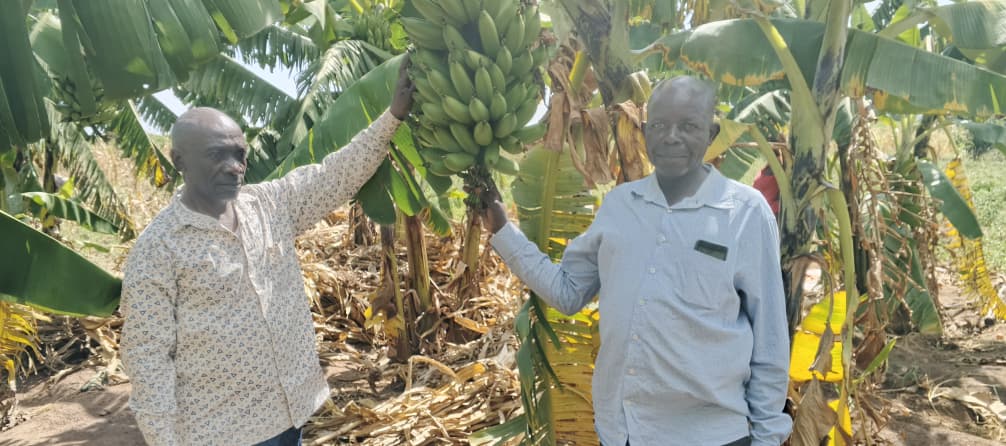
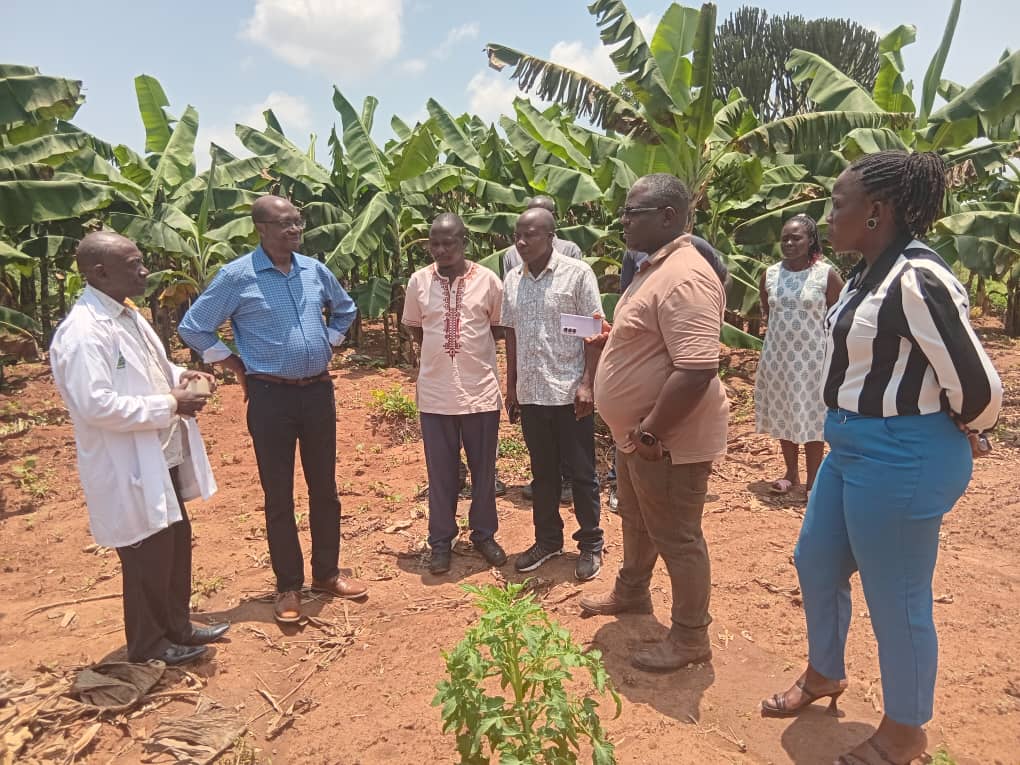
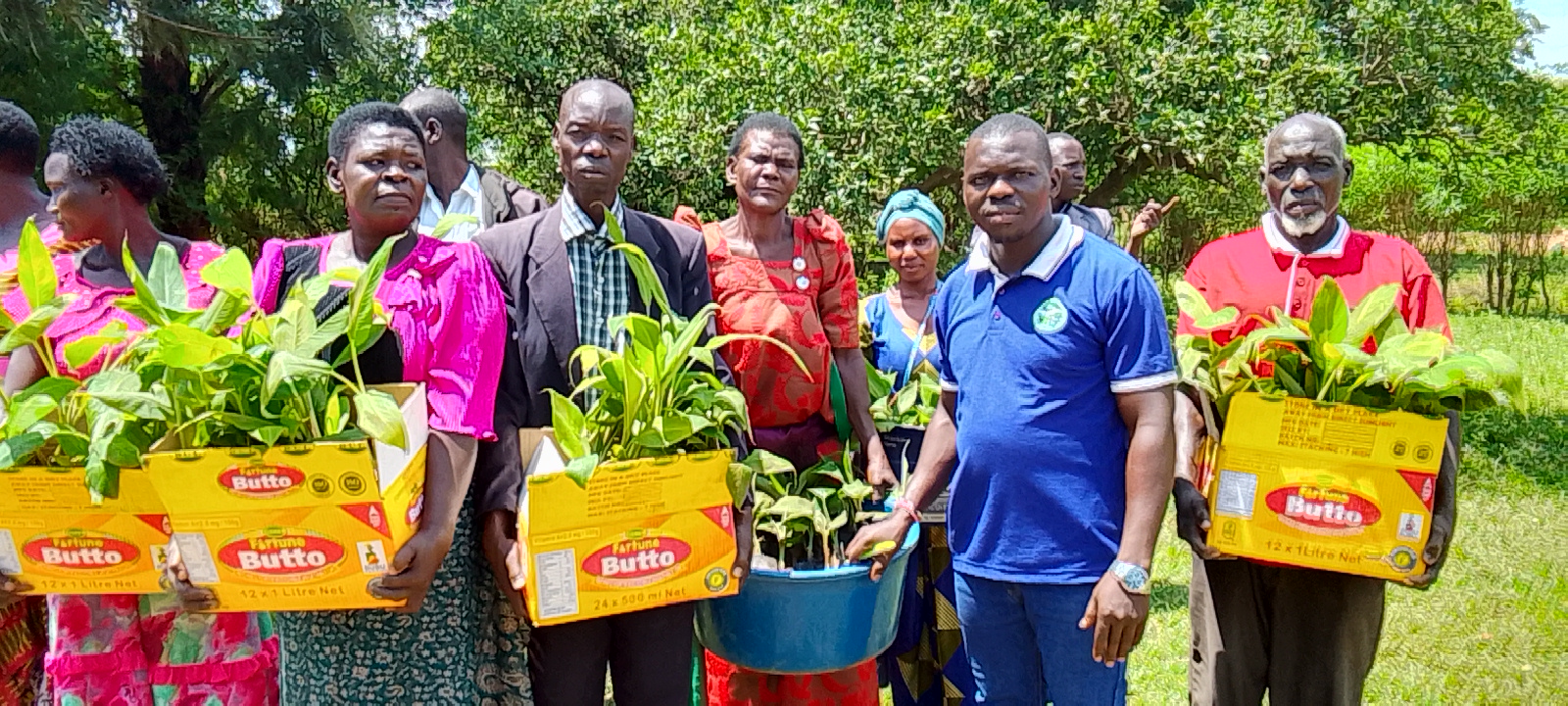
A School garden established by DLLN to boost local nutrition.